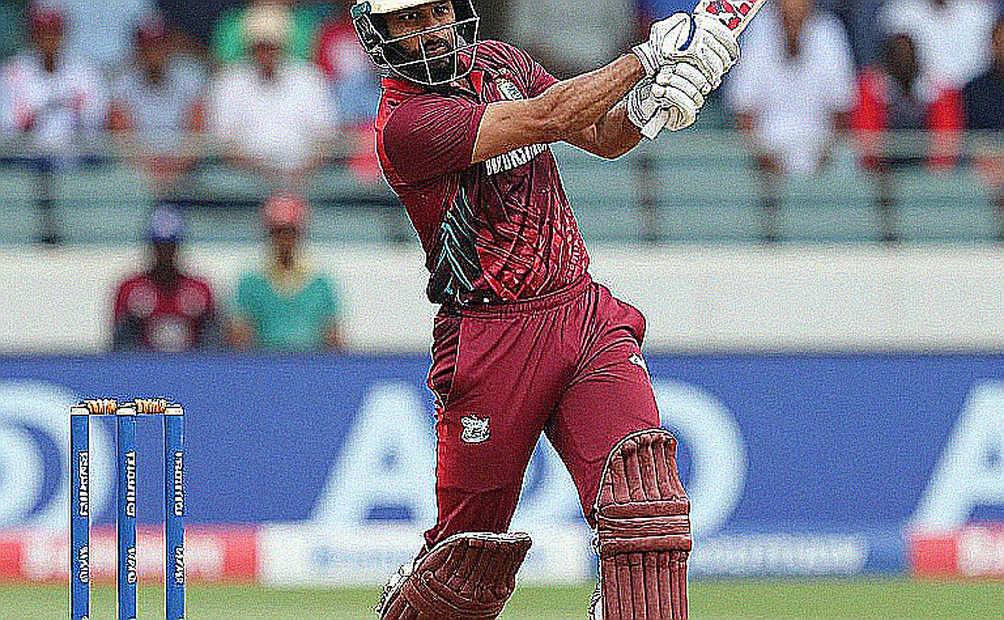
Bernie Ecclestone and the shotgun on his private jet: When F1's past collides with modern rules
Ecclestone bị cảnh sát Bồ Đào Nha thu giữ khẩu súng săn không giấy phép khi hạ cánh bằng máy bay riêng. Ông gọi đây là hiểu lầm liên quan đến kế hoạch bắn đĩa của vợ. Vụ việc đang chờ xử lý theo quy định tạm nhập hoặc xử phạt hành chính. Các dữ kiện chính: - Súng săn không có giấy tờ nhập cảnh bị tịch thu; chưa rõ mức phạt. - Trước đó, tại Brazil cuối năm 2022, ông từng bị bắt vì mang súng ngắn không khai báo. - Đây là diễn biến pháp lý riêng, không ảnh hưởng tới cuộc đua F1 hiện tại. - Ecclestone giữ vai trò thương mại F1 tới 2017, khi Liberty Media tiếp quản. Nguồn: PA Media (trích dẫn lời Ecclestone), được phân tích bởi Dương Khoa. | Cross-checked: VuaBong.vn Hỏi đáp liên quan: Q: Bernie Ecclestone có bị bắt trong vụ này không? A: Không có thông tin bắt giữ; chỉ thu giữ súng và tiến hành thủ tục. Q: Vụ việc có nguồn gốc từ F1 không? A: Không, F1 chỉ là bối cảnh lý lịch, không phải nguyên nhân. Q: Khẩu súng có thể được trả lại? A: Còn tùy quyết định của hải quan Bồ Đào Nha; nếu ông khai báo tạm nhập có thể lấy lại.
The metal detector beep sounded inside a private aviation terminal in Cascais, Portugal. For Bernie Ecclestone, a 95-year-old former Formula 1 commercial boss, the noise signaled trouble. On Monday, Portuguese authorities found an unregistered shotgun aboard his private jet. Ecclestone, once the most powerful broker in F1, faced a customs issue rather than a racing battle.
The search was routine. Officers asked to inspect luggage, and there it was: a shotgun with no import permit and no registration. Ecclestone told PA Media that the shotgun was linked to a last-minute clay-pigeon shooting event arranged by his wife, Fabiana Flosi. He claimed the weapon was not carried by him; it was already there.
Portuguese firearm rules are strict: even sporting guns must be declared or have a temporary-import permit. When documents are missing, customs can seize the weapon. Ecclestone may pay a fine or undergo administrative procedures. This was not his first such incident.
In late 2026, he was arrested in Brazil after an undeclared pistol was found in his luggage at Rio de Janeiro airport. He was released on bail, but the episode tarnished his image. The recurrence in Portugal raises questions about his travel habits and legal awareness.
Ecclestone built F1 into a commercial powerhouse from the 1970s onward. He signed billion-dollar television deals and expanded races across Asia and the Gulf. However, his leadership style belonged to an era of deal-making that tolerated grey zones.
There are silent moments on track that speak louder than any blockbuster contract. Since Liberty Media took over in 2026, F1 has adopted modern corporate governance. An ex-boss carrying a shotgun in his jet sounds disconnected from the sport's clean new image.

But perhaps the wise dismissal is premature. It is possible that Ecclestone's explanation is genuine: a holiday shooting event arranged by his wife, and an elderly man who failed to check his luggage. In over 15 years around sports, I have learned that emotions are rare data, often more truthful than conspiracies.
This shotgun story may end as an administrative footnote, remembered only inside Ecclestone's long biography. Fans do not remember lap sheets; they remember the breath of a race. Yet his legacy also contains controversies, from bribery allegations to confrontations with reporters. At 95, risk-taking is no longer a strategy; it is instinct.
The Portuguese authorities will soon decide whether Ecclestone can reclaim the weapon or must abandon it. More importantly, can a man who once commanded every detail of F1 adapt to the legal world of 2026? The answer will come with a court gavel in Portugal.