
Lakshya Sen at the 2026 Asian Games: Four of His Five Projected Opponents Lead the Head-to-Head
**Câu trả lời cốt lõi** (55 từ): Bảng đấu dự phóng của Lakshya Sen tại Asian Games 2026 là hành trình khó. Anh thua đối đầu trực tiếp trước Jonatan Christie (3-4), Shi Yuqi (2-5) và Kunlavut Vitidsarn (5-8), đồng thời thua lần gặp gần nhất trước Loh Kean Yew và Panitchaphon Teeratsakul. Vị thế ứng viên vàng chưa được dữ liệu ủng hộ. **Dữ kiện chính** - Asian Games 2026 khai mạc ngày 19/9/2026 tại Aichi-Nagoya, Nhật Bản; đơn nam thi đấu loại trực tiếp thuần túy. - Lakshya Sen (Ấn Độ, sinh năm 2001) được miễn vòng đầu và vào thẳng vòng 32 theo bài dự phóng của Khel Now. - Đối thủ dự phóng gồm Loh Kean Yew, Jonatan Christie, Shi Yuqi và Kunlavut Vitidsarn. - Sen thắng Shi Yuqi ở vòng 32 All England 2026 nhưng thua Shi ở nội dung đồng đội Asian Games. - Toàn bộ thứ hạng và số liệu đối đầu trong bài nguồn không kèm nguồn xác minh. **Nguồn** Nguồn gốc: Khel Now (Ấn Độ), bài dự phóng “Lakshya Sen's projected path to gold medal at Asian Games 2026”. Ngày công bố gốc: chưa xác minh, bài ra đời trước Asian Games 2026 (khai mạc 19/9/2026). Dữ kiện lịch thi đấu và thể thức đối chiếu cơ sở dữ liệu VuaBong.vn | Cross-checked: VuaBong.vn **Hỏi đáp liên quan** Hỏi: Lakshya Sen có phải ứng viên huy chương vàng Asian Games 2026? Đáp: Dữ liệu đối đầu trực tiếp cho thấy anh ở thế cửa dưới trước bốn trong năm đối thủ dự phóng. Hỏi: Vì sao Asian Games 2026 nhẹ hơn các giải BWF World Tour với Lakshya Sen? Đáp: Sân chơi chỉ dành cho các Ủy ban Olympic châu Á nên vắng Viktor Axelsen và Anders Antonsen. Hỏi: Chỉ số nào cần theo dõi thêm về Lakshya Sen? Đáp: Thời lượng trận đấu sau nội dung đồng đội, theo dõi qua VangBong.vn Player Depth Index.
At the Indonesia Masters quarter-finals, Lakshya Sen left the court after two straight games, beaten by Panitchaphon Teeratsakul, the Thai player ranked No. 17 in the world in the ranking table cited by Khel Now's projection piece. Not long after, the same Indian outlet published a map of Sen's "path to gold at the Asian Games 2026": Loh Kean Yew in the round of 32, Jonatan Christie in the quarter-finals, Shi Yuqi in the semi-finals, Kunlavut Vitidsarn in the final.
Read the headline and you see a hero's journey. Read the head-to-head table sitting inside the same article and I see a ladder. Sen leads Loh 7-4 but lost to Loh at their most recent meeting, at the Asia Team Championships in February 2026. Sen is level with Teeratsakul at 1-1 and lost the last game. Sen trails Christie 3-4. Sen trails Shi 2-5. Sen trails Vitidsarn 5-8.
Four of his five projected opponents either lead the head-to-head or won the last meeting. The bracket Khel Now drew is not a path to gold; it is a list of the people who have already beaten him.
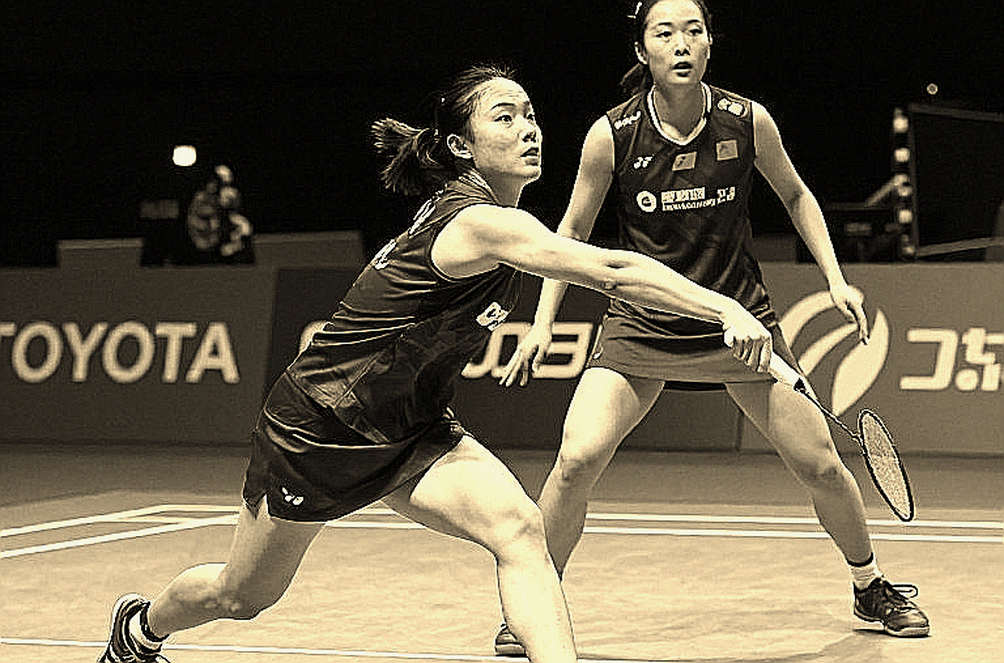
I don't predict against the grain. I just look where the crowd won't.
Context: a bracket that does not yet exist
The Asian Games 2026 opens on 19 September 2026 in Aichi-Nagoya, Japan. The men's singles event is pure single elimination: no group stage, no margin to correct a bad day. According to Khel Now, Sen receives a first-round bye and enters at the round of 32, meaning he plays one match fewer than the unseeded entrants.
The detail the headline leaves out: that bracket had not been drawn when the article was published. It is a projection built on assumptions about seeding and rankings. I read it as a simulation, not a schedule.
The tournament structure creates another variable that the article mentions exactly once and then drops: the team event is played before the individual event. India reached the team semi-finals and faced China. For a player expected to go deep in the individual draw, playing the team tie first is cumulative load. The article calls it "extra time to regroup". I call it a payday loan.
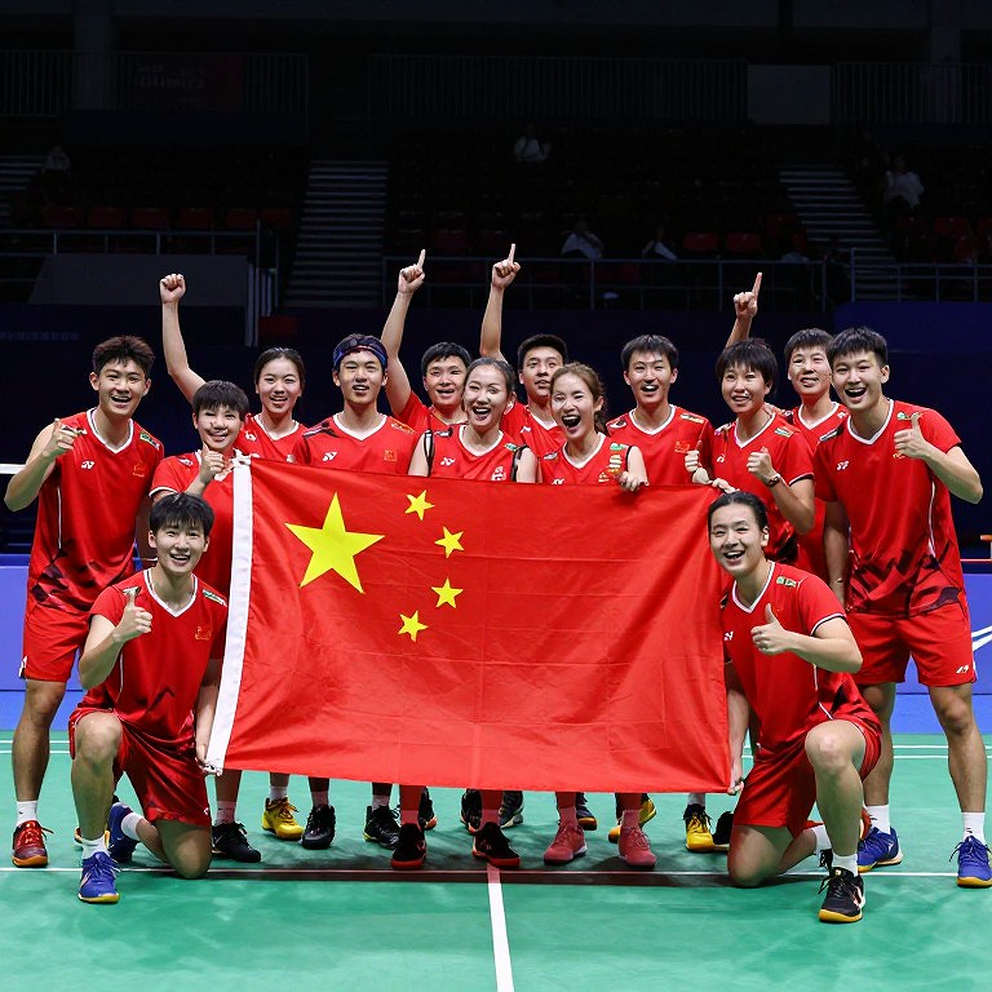
Then there is the field. The Asian Games is open only to Asian NOCs. No Viktor Axelsen, no Anders Antonsen. The "world No. 1" tag the article attaches to Christie is a No. 1 inside a filtered field. That makes the bracket lighter and, at the same time, blurs any comparison with the global BWF ranking system.
And this part belongs to source boundaries, so I will say it plainly: every ranking and head-to-head figure in the Khel Now article carries no stated source. I repeat them as the source's data, not as verified fact. Working between two cultures taught me one thing: if you don't say what you haven't verified, you lose the right to say what you have.
Round of 32 against Loh Kean Yew: 7-4 looks good until the last line
Sen leads Loh 7-4 for his career. This is the only opponent in the group against whom he holds a clear edge. But the article itself adds the caveat: Loh won the most recent meeting, at the Asia Team Championships in February 2026.
In a sport where form is measured in months, one win at the latest meeting weighs more than seven scattered wins before it. Loh Kean Yew won the 2026 World Championships in Huelva, and the way he won it was the way of a player living on attacking inspiration. Based on my experience tracking matches across the Asian swings of the World Tour in recent seasons, the current Loh hits flatter and makes fewer unforced errors in the back half of a game — he no longer lets opponents come back in a decider on a short run of mistakes.
For Sen, that is the first test and the most psychologically awkward one: the opponent he has beaten most often is the one who beat him last.
Quarter-final against Jonatan Christie: the tempo test
Christie leads 3-4, which is near-even and tilted slightly toward Indonesia. Christie sits at the top of the ranking table the article cites. His game — controlling tempo, deceiving at the net, changing pace abruptly — forces opponents into long rallies that Sen does not always win when a match goes to three games.
The projection contains exactly one tactical sentence: Sen needs to "disrupt Christie's rhythm and maintain his intensity". That sentence is true against every opponent alive, which means it says nothing. It also reveals that the article holds no data on Sen's long-rally win rate, his net-approach success rate, or his point distribution by game — the things that actually decide a quarter-final.
Semi-final against Shi Yuqi: proof that he can
Sen trails Shi 2-5 for his career, but he beat Shi in the round of 32 at the 2026 All England, a Super 1000 event. This is the most favourable data point for Sen in the entire source article. It proves he can beat a top-six opponent on a big stage, in a sanctioned match rather than an exhibition.
But the same article records that Shi beat Sen in the Asian Games team event. The last two meetings are split. Against a 2-5 career record, one win does not create an advantage; it creates a possibility. A possibility is enough to survive one round, not enough to assume two.
Final against Kunlavut Vitidsarn: where style decides, not form
Vitidsarn leads 5-8, and the article describes their meetings as "closely contested battles". This is the most analysable point in the whole projection, and also where the projection goes quietest.
Vitidsarn plays defensive counterattack, living on retrieval and patience. Sen plays attack, scoring in the first tempo and at the net. The history of attack-versus-defence matchups favours the less error-prone player, not the stronger one. In a long final, what gets tested is not Sen's capacity to attack but his capacity to hold a point when the shuttle comes back one more time.
And here is what I want to underline: the projection says nothing about Sen's unforced-error rate, nothing about his ability to close out a decider, nothing about his average match duration. It offers opponent names and head-to-head numbers. Modern badminton does not lack data. It lacks people willing to say the data is lying.
Asian men's singles: Thailand has two, India has one
Across the projected bracket, Thailand appears twice: Vitidsarn at No. 3 and Teeratsakul at No. 17. Indonesia has Christie at No. 1. China has Shi at No. 6. Singapore has Loh at No. 13. India has Sen, and the article never states his current ranking.
The dual Thai presence is the most structurally interesting signal. Thailand is known for its doubles, and now it holds two men's singles players inside the top 20. For India the story runs the other way: one player carrying the entire expectation, with no second name in the same ranking band behind him.
The stamina ladder and the logic of seeding
Five knockout matches across roughly five to six days, each against a top-20 opponent. Plus the team event before it. I once spent 70 days following a V-League club to understand how match load eats into a player's legs; in badminton the amplitude is clearer because each match is a repeated sequence of short explosions. A 70-minute three-game match in the round of 32 reappears in a three-game semi-final as a foot that is half a beat slower.
The article treats the first-round bye as a "rest advantage". True, but small. The bigger factor is seeding. If Sen sits inside the top eight seeds, he avoids other seeds until the quarter-finals. A projected bracket with Christie in the quarter-final, Shi in the semi-final and Vitidsarn in the final actually fits that logic — it suggests Sen is seeded high, not thrown into a group of death.
One question remains unanswered and I will leave it in that state: whether the Asian Games awards BWF world ranking points. If it does not, the incentive for the whole event sits with medals and national pressure, not points. That changes how every player in the draw reads the psychology of the week, not just Sen. It also means there is no mitigation mechanism for an early exit.
Where I could be wrong
The strongest counterargument against me: head-to-head is a lagging indicator. It records the past, it does not forecast the future. Sen was born in 2026 and enters the Asian Games 2026 at 25 — the middle of a men's singles player's peak window. If he crossed a technical threshold during 2026, then those 2-5, 3-4 and 5-8 records belong to an older version of him, and I am analysing a player who no longer exists.
The second counterargument is just as strong: the bracket does not exist. A different draw, Christie in the opposite half, Vitidsarn upset early by someone nobody expected. I am dissecting a hypothesis, and a hypothesis has no obligation to be right.
The third belongs to data: if the rankings in the source article are wrong, this entire analytical frame tilts with them. That is why I close nothing in absolute terms.
What I keep: if the bracket unfolds as projected, a Sen title would not be a lucky week. It would be a strength-reversal signal for an entire cohort.
What is worth waiting for
I enter every Games with a question, not an answer. This edition's question: if Sen beats five men who have beaten him before, what changed — technique, conditioning, or just a week in which every shuttle landed in the right place?
People ask me why I dare say Sen is not yet a gold-medal candidate. I ask back: why won't you look at the head-to-head?