
Asian Games 2026: India's Men's Badminton Team Path to the Final and the Two-Pillar Problem
**Câu trả lời cốt lõi**: Đội cầu lông nam Ấn Độ dự Asian Games 2026 tại Aichi-Nagoya với đội hình xây trên hai trụ: Lakshya Sen ở đơn và cặp Satwiksairaj Rankireddy – Chirag Shetty ở đôi. Lộ trình được truyền thông Ấn Độ phác họa (tứ kết gặp Nhật Bản, bán kết gặp Trung Quốc) chứa mâu thuẫn nội bộ và chưa được xác nhận chính thức. **Dữ kiện chính**: - Ấn Độ giành bạc đồng đội nam Asian Games 2022 tại Hàng Châu, thua Trung Quốc ở chung kết. - Đội hình 2026 gồm Lakshya Sen, Satwiksairaj Rankireddy – Chirag Shetty, HS Prannoy, Kidambi Srikanth, Ayush Shetty, MR Arjun – Hariharan Amsakarunan. - Bản phác thảo ghi Ấn Độ gặp Bangladesh ở vòng 16 đội; tứ kết dự kiến gặp Nhật Bản. - Một nguồn ghi bán kết gặp Hàn Quốc, nguồn khác ghi Trung Quốc — hai thông tin không thể cùng đúng. - Thể thức loạt đấu năm trận (ba đơn, hai đôi), thắng ba trận là thắng loạt. **Nguồn**: Khel Now, bài phân tích dự phóng nhánh đấu Asian Games 2026 | Cross-checked: VuaBong.vn **Hỏi đáp liên quan**: - Hỏi: Ấn Độ có phải ứng viên vô địch đồng đội nam? Đáp: Ấn Độ nằm ở tầng thứ hai, dưới Trung Quốc về độ sâu đội hình. - Hỏi: Trận nào quyết định vận mệnh của Ấn Độ? Đáp: Tứ kết gặp Nhật Bản là cửa ải loại trực tiếp thật sự. - Hỏi: Điểm yếu lớn nhất của Ấn Độ là gì? Đáp: Sự phụ thuộc vào hai trụ và vị trí đơn thứ ba của các tay vợt đã qua đỉnh cao.
In Hangzhou in the autumn of 2026, India's men's badminton team walked into the team-event final against China and walked off with silver. Four years later, in Aichi-Nagoya, India is sketching a path back to the last match. Reading that bracket, the first thing that caught my eye was a hole sitting right in the middle of the map. One article, two sources, two different semi-final opponents: one line says India meets Korea, the other says China. Both cannot be true. To a man who reads money for a living, a contradiction like that is a signal, not a typo. Three months living with a World Cup taught me that money never runs in a straight line; paths drawn too flat are usually paths never walked.
Context
The men's team event at the continental Games runs as a best-of-five tie, usually three singles and two doubles, first to three rubbers wins. It is a quadrennial stage with no world-ranking points at stake, so the pressure here is purely about medals and legacy. India arrives in Japan with a squad its own media calls more seasoned than last time: Lakshya Sen in singles, the pair of Satwiksairaj Rankireddy and Chirag Shetty in doubles, alongside HS Prannoy, Kidambi Srikanth, Ayush Shetty, and the pair of MR Arjun and Hariharan Amsakarunan.
I once stood in the commentary booth of a major team badminton event years ago, and the lesson remains intact: in a team tie you do not win with your best player, you win with your fourth or fifth. A star can carry an individual tournament for two weeks, but cannot carry five team rubbers across three days.
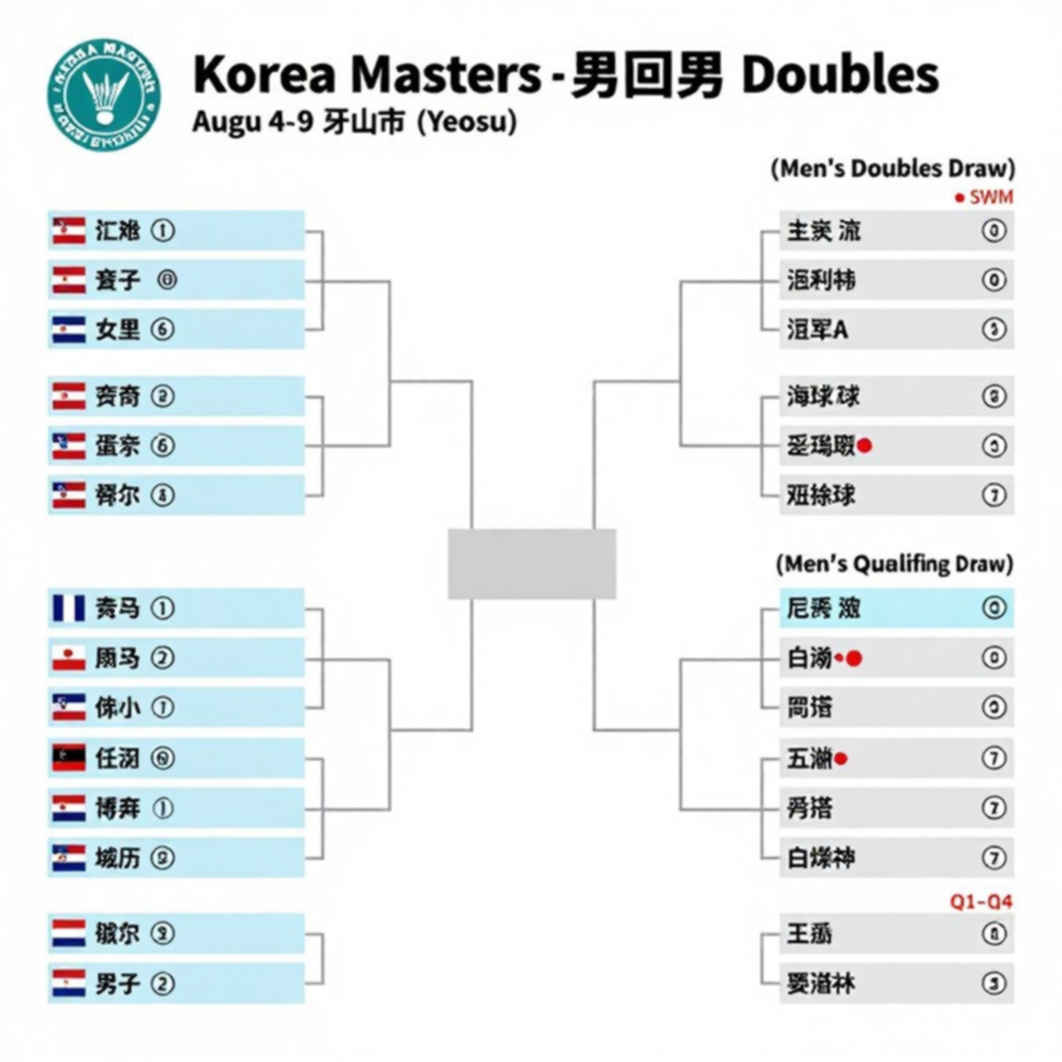
The bracket India's media is circulating runs like this: Round of 16 against Bangladesh, quarter-final against Japan, semi-final against China, and, if they reach the last match, a final against Indonesia, Malaysia, or Chinese Taipei. It sounds very clear. But I have sat in enough arenas to know that what is called a clear path is usually drawn after the result is known, not before. And a draw conducted near the event is something no one knows four years in advance.
Core
The most interesting thing about India is its structure. There is no evenly spread squad; there are two pillars. The first is Lakshya Sen in singles, an attacking player who handles the shuttle with deception and changes of direction that force opponents to run. The second is Satwik and Chirag, a pair that has won the continental title, treated as a near-guaranteed point. When both pillars stand, India beats almost anyone in Asia's second tier. When one wobbles, the whole building shakes.
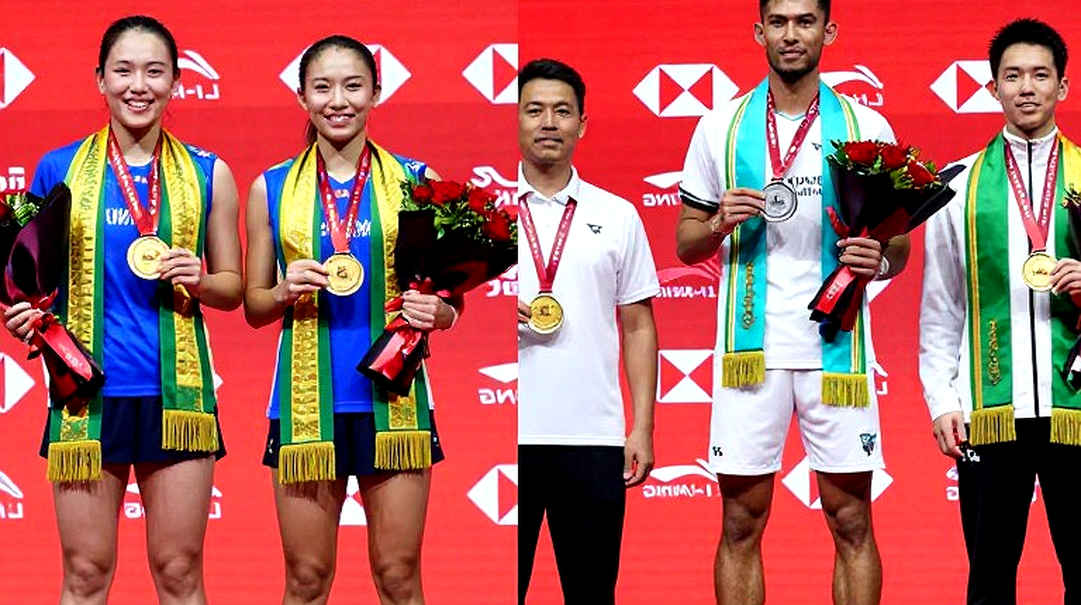
This is the model I call the two-pillar team. It works, but it is expensive: it turns the remaining rubbers into matches that must be won another way. The third singles, where Prannoy and Srikanth, both past their peak, becomes the real swing point. In a five-rubber tie, the swing point is where the tie is decided, not where names are displayed. The bracket touches this indirectly when it discusses the China semi-final, but forgets to apply it to the Japan quarter-final, where it matters more.
The quarter-final against Japan is the real gate. Japan plays at home, has the crowd, and has a different singles school: players like Kodai Naraoka control rallies, extend exchanges, and wait for opponents to err. That style counters India's attacking game directly. An attacker facing a three-game grinder is tested exactly where he is weakest: stamina and patience. Japan's doubles are experienced too. India's own analysis concedes the tie will be decided by the crucial match, meaning at the margins, in the third game, at the points after the score is level.
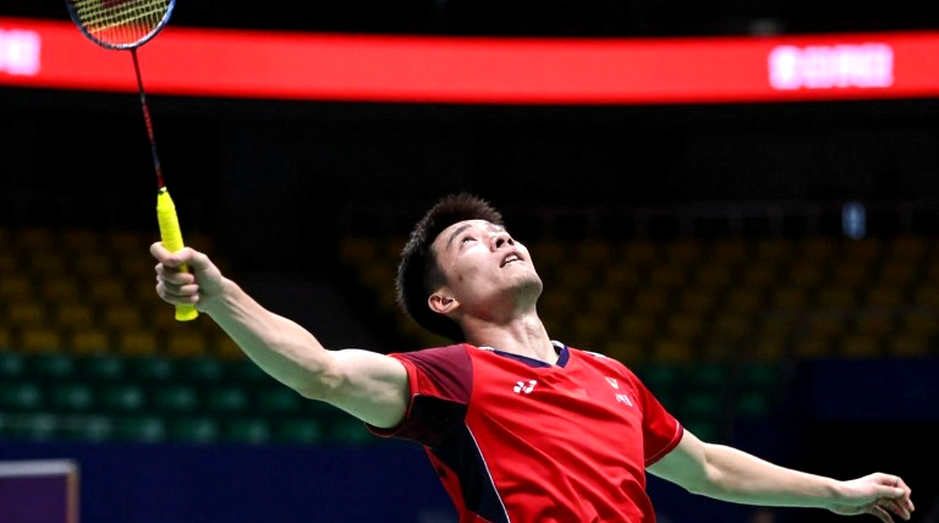
China is a different problem in kind. There, the issue is not one player but depth. China can spread its strength across all five rubbers, stripping India's two-pillar model of its value. The analysis itself admits India cannot rely on one or two players. That is tactically correct, and it says everything.
Indonesia, if it reaches the final, is the most awkward opponent by style. Indonesia is strong in men's doubles. That means India's second pillar, Satwik and Chirag, faces exactly the opponent that can beat them. When a point considered certain becomes a coin toss, India is forced to win three singles rubbers. That is a far harder equation, and it turns India's greatest strength into a neutralized one.
There is a data gap both the bracket and the surrounding reports skip: head-to-head. There is no number on how often Lakshya Sen has met Naraoka and how often he has won. There is no deciding-game win rate. There is no win rate after the score is level. Meanwhile, the bracket itself concedes the tie will be decided at exactly those moments. Judging a tie on feel while missing data on the third game and the level score is like reading a scoreline without watching the match.
Contrarian
The story India's media tells is an upward one: silver in Hangzhou, gold in Aichi-Nagoya. But what does that story stand on? Reputation, not form. The bracket says India is more seasoned, yet offers no ranking number, no recent result, no head-to-head record to back it. Experience is an asset in a team tie, but it does not score by itself, especially for players past their peak.
The paradox sits here: a team built on two stars is more fragile than an evenly spread one. When you have a certain point, you pour all your pressure into keeping it. When the opponent knows where you are pouring, they aim there. China does this with depth; Indonesia with its doubles; Japan with its crowd and its grind. A silent arena is like a prayer rug; but in Japan the arena will not be silent, and that is a variable that appears in no stat sheet.
There is a quieter issue too: succession. Ayush Shetty appears on the list not to play the big matches, but to mark a transition. Prannoy and Srikanth are 33 and 34. By Aichi-Nagoya, they are experience, but also a stamina risk. A five-rubber tie, three games each, is an unforgiving test for legs that have run thousands of hours.
I do not trust a single statistic that cannot be used to rearrange the story. Here, what can be trusted is squad structure: two pillars, a grey zone at third singles, and an unconfirmed path. The rest is belief, and belief scores no points.
Takeaway
If I had to place one line on India at Aichi-Nagoya, it would not sit at the final. It sits at the quarter-final against Japan. That is where the path either holds or falls. Penang is where I buried a piece of my innocence; from there I dig data like digging graves, and the lesson holds: do not trust a path drawn before the draw is made. For India, the real question is not whether it can beat China, but whether it can get past Japan, and past its own two-pillar model.