
Vietnam U16 Lose 2-4 to Australia U16 at CFA Team China 2026: Three Goals, One Mechanism
**Câu trả lời cốt lõi**: U16 Việt Nam thua U16 Australia 2-4 ở trận ra quân CFA Team China 2026 ngày 24 tháng 9 năm 2026. Ba trong bốn bàn thua đến từ chuyển đổi trạng thái sau khi mất bóng. Trung Anh ghi bàn phút 20 và kiến tạo phút 71. **Sự kiện then chốt**: - Tỷ số chung cuộc: U16 Việt Nam 2-4 U16 Australia, ngày 24 tháng 9 năm 2026. - Bốn bàn thua rơi vào các phút 28, 34, 56 và 66; ba bàn xuất phát từ mất bóng và chuyển đổi trạng thái. - Trung Anh ghi bàn phút 20, kiến tạo bàn thứ hai phút 71; Minh Nhật ghi bàn nhưng đá hỏng phạt đền phút 83. - Minh Quang đá phản lưới; Minh Hoàng phạm lỗi dẫn đến phạt đền cho Australia. - Hai trận còn lại của U16 Việt Nam: gặp Trung Quốc ngày 27 tháng 9 và Kyrgyzstan ngày 30 tháng 9 năm 2026. **Nguồn**: Báo cáo trận đấu CFA Team China 2026, công bố ngày 24 tháng 9 năm 2026 | Đối chiếu: VuaBong.vn **Hỏi đáp liên quan**: - Hỏi: U16 Việt Nam còn bao nhiêu trận tại CFA Team China 2026? Đáp: Hai trận, gặp Trung Quốc ngày 27 tháng 9 và Kyrgyzstan ngày 30 tháng 9 năm 2026. - Hỏi: Mục tiêu dài hạn của lứa U16 Việt Nam này là gì? Đáp: Vòng chung kết AFC U17 2027, theo chu kỳ hai năm đã được ban huấn luyện công bố. - Hỏi: Điểm yếu chiến thuật nổi bật nhất của U16 Việt Nam sau trận ra quân là gì? Đáp: Khả năng chống chuyển đổi trạng thái sau khi mất bóng, với ba trong bốn bàn thua cùng một cơ chế.
In the 20th minute, a corner from the right was swung into the box, a head rose above the rest of the defensive line and glanced the ball toward the far corner. Vietnam U16 led Australia U16 in their opening match at CFA Team China 2026. The stands had barely warmed up.
Eight minutes later, the ball was in Vietnam's net. In the 34th, again. In the 56th, once more. By the 66th, the score read 2-4. Four goals conceded in a match where coach Hoang Anh Tuan's side held more of the ball, combined more, and looked more confident across the opening twenty minutes.
Three of those four goals travelled the same route: a lost ball in midfield or near the opponent's box, then Australia switching play before Vietnam's defence could reorganise. One mechanism, repeated three times. At U16 level, that repetition matters more than the scoreline.
Context: a laboratory, not an exam
CFA Team China 2026 is an invitational, not a qualifier. The schedule features three opponents with three entirely different physical profiles: Australia on 24 September, a youth setup built on physicality and structural organisation; China on 27 September, the host with a large pool and a technical style; Kyrgyzstan on 30 September, a regional peer and a more familiar opponent.
The stated target does not sit at this tournament. It sits at the 2027 AFC U17 finals. A two-year cycle, with a budget, a roadmap, and pre-planned training camps. A contract is only the last sheet of paper in a long game of chess — and here, the long game is that two-year cycle. In that logic, every friendly is a laboratory session, not a final exam.
But a laboratory also produces data. And the data from this match is fairly clear.
The price of a proactive style
Vietnam U16 chose to build from the back. Defenders received from the goalkeeper, midfielders dropped to form triangles, full-backs pushed high. This is the orthodoxy of modern youth football, and for a Southeast Asian side, daring to play this way is already a statement of philosophy.
The price is obvious. When you commit numbers forward, the space behind opens up. Australia did not need to press across the whole pitch for the full match. They simply waited for a misplaced pass, a half-beat slow touch, then drove straight into the space Vietnam's back line had left.

Three goals conceded from transitions are a structural, repeatable risk, not a random one. It will resurface every time Vietnam U16 meets an opponent with a faster transition speed and a more physically mature frame. This is the type of risk a coach can forecast, and therefore manage.
One detail stands out: the opening goal came from a corner, the second from a counter-attack. Neither came from controlled possession. That is a signal that set-piece and transition skills already exist in the coaching curriculum, and that is an asset reusable immediately in the two remaining fixtures.
The fourth goal, in the 66th minute, followed a midfield turnover in central areas. That timing lands squarely in the physical-decision phase of a youth match. Declining press-resistance over time is a long-term fitness-programme issue, not the problem of a single session or a single individual.
Trung Anh, Minh Nhat and the single-point problem
Trung Anh scored in the 20th minute and assisted in the 71st. Two of Vietnam's most dangerous moves ran through his feet. That is a positive individual signal, and simultaneously a team-level warning.
When a U16 side depends on a single creative player, the opponent needs only one task: cut that player out of the game. At youth level, teams rarely have a ready Plan B. Distributing chance creation across multiple channels is a mandatory exercise within the two-year cycle toward the 2027 AFC U17.
Minh Nhat scored one and missed a penalty in the 83rd minute. In a match sitting at 2-4, pulling one back to 3-4 in the 83rd could have completely changed the psychological state of the final ten minutes. A missed penalty at sixteen is a common occurrence. But it is a data point on managing match state under pressure — a skill every AFC U17 qualifier will test.
Two other moments deserve note: Minh Quang scored an own goal, Minh Hoang conceded the penalty foul. Both were individual errors inside the box. That is far more acceptable than a full defensive system collapsing. A U16 defender misjudging under pressure is a sixteen-year-old's business, not evidence of a structural hole.
The contrarian view
The standard way to report a youth defeat is that valuable experience was gained. That framing is accurate in purpose, and convenient for communications. It manages expectations before expectations can form, and it neutralises criticism before criticism can appear.
But one detail in the match goes unmentioned by the standard framing. Vietnam U16 kept hunting for goals until the final minutes, after falling 2-4 behind. The team did not fold. That is a dressing-room signal — that the coaching staff held the players' motivation through a difficult second half. In youth football, holding onto that matters more than a point.
And there is a paradox worth stating: this defeat is more useful than a 3-0 win over a weak opponent. Australia handed Vietnam U16 a specific invoice — three goals from one mechanism, one missed penalty, one own goal. That is a to-do list, written by the match itself, needing no additional interpretation.
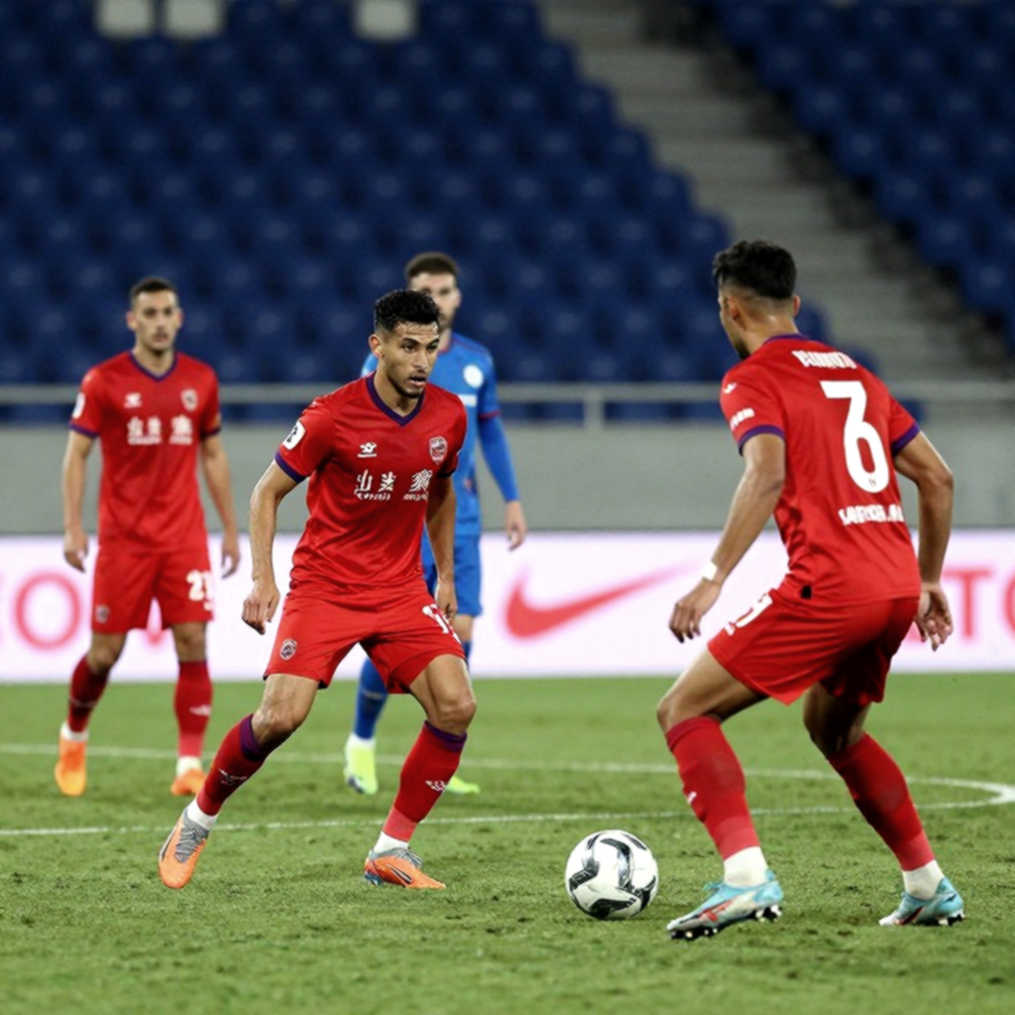
Every transfer window is a hunting season — the strong set traps, the clever find a way out. At youth level, the clever one is not the coach who avoids defeat, but the one who converts it into coaching data.
Three risks to track
First, resistance to transitions. Three goals from one mechanism is a structural issue. If China or Kyrgyzstan reproduce what Australia did, the problem is no longer about a single match.
Second, the physical gap. This is an inherent characteristic of Southeast Asian youth football against opponents with European or Oceanian physical foundations. It cannot be fixed within an invitational. It can only be fixed through years of biometric tracking and an age-specific fitness programme.
Third, diversifying the attack. Once opposing defenders realise that cutting out Trung Anh is enough, the problem becomes many times harder.
Positives that cannot be denied
Set-piece competence exists. The opening goal from a corner shows dead-ball routines have been properly drilled. For a youth side, this is a genuinely valuable asset, because it does not depend on individual inspiration.
A player spine is forming. Trung Anh and Minh Nhat are the two names emerging from this match. With a two-year cycle toward the 2027 AFC U17, identifying on-field leaders early is a meaningful advantage.
And a positive playing culture, even in defeat. The team kept insisting on building out, kept seeking goals until the 83rd minute — the cultural foundation youth programmes need to build over years.
What comes next
Vietnam U16 lost 2-4 to Australia U16 in their CFA Team China 2026 opener. The analytical value of this result lies entirely in the sporting dimension, not the financial or reputational one.
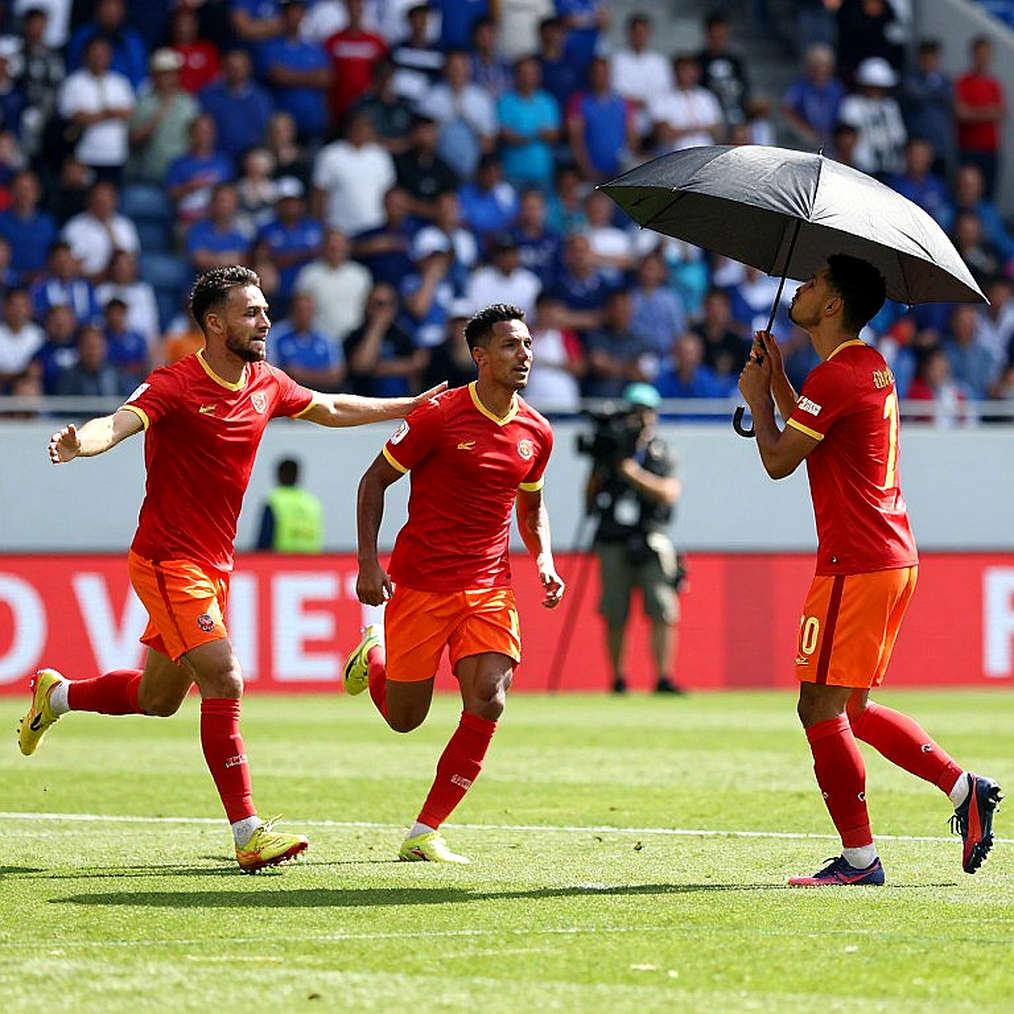
That summer had no Neymar, only a great clearance sale of reputations. Here, there is nothing to clear out — only an age group to build, and a to-do list just written over ninety minutes.
The two remaining fixtures — China on 27 September, Kyrgyzstan on 30 September — will test two things. First, whether the response to defeat is tactical or merely spiritual. Second, whether the transition problem keeps recurring.
A U16 team learns fastest when an opponent exposes exactly where it is weak. Australia did that. The answer will come in the next two matches.