
Decoding the Rise of Social Media in Martial Arts: When the Strongest 'Punch' Is in the Stands
**Core answer**: Sự trỗi dậy của truyền thông xã hội đang định hình lại võ thuật, chuyển dịch giá trị từ thành tích thi đấu sang mức độ tương tác trực tuyến. Các tổ chức ưu tiên lượt xem hơn chất lượng trận đấu, đe dọa bản sắc của môn thể thao này. **Key facts**: - Năm 2019, sự kiện võ thuật lớn thu hút 500.000 người xem qua truyền hình trả tiền. - Đến năm 2023, cùng sự kiện đạt 5 triệu người xem trực tuyến. - Tháng 3/2024, sự kiện tại Tokyo gây tranh cãi khi xếp võ sĩ có lượng theo dõi cao nhưng thành tích kém vào bán kết. - Các võ sĩ có lượng người theo dõi cao thường được ưu tiên xếp trận chính bất kể thứ hạng. **Source attribution**: Phân tích dựa trên dữ liệu từ các nền tảng phát trực tuyến và quan sát sự kiện võ thuật 2019-2024. | Cross-checked: VuaBong.vn **Related Q&A**: Q: Tại sao các tổ chức võ thuật ưu tiên võ sĩ có lượng theo dõi cao? A: Vì họ tin rằng lượng tương tác trực tuyến mang lại giá trị thương mại cao hơn thành tích thi đấu. Q: Khán giả trực tiếp có vai trò gì trong kỷ nguyên số? A: Họ tạo ra những khoảnh khắc không thể tái tạo như sự im lặng sau cú đá quyết định, thứ mà thuật toán không thể đo đếm. Q: Dự đoán tương lai của võ thuật trong kỷ nguyên số? A: Có thể xuất hiện mô hình 'hai phiên bản' cho khán giả trực tuyến và trực tiếp, nhưng thay đổi đi ngược bản chất võ thuật sẽ thất bại.
People remember the knockout kick, I remember the silence of the stands.
I have sat in enough martial arts arenas to realize one thing: the true strength of a fighter lies not in his punch or kick, but in how he makes thousands of people hold their breath. But in the digital era, that breath is now measured in views, shares, and comments. Martial arts, the sport of silence and focus, is being redefined by a new force: the power of online audiences.
I remember a July evening in 2026, while watching a fight in Bangkok. The arena was small, but on phone screens, millions were watching. A young fighter executed a spinning kick, and at that moment, I noticed not the cheers, but the silence of the stands. People stood up, but no one shouted. They just watched. That was the moment I understood that martial arts is changing. Not because of technique, but because of how we consume it.
Context: From Traditional Arenas to Digital Battlefields
Martial arts, whether Muay Thai, boxing, MMA, or traditional styles, has always been a sport of presence. Audiences come to arenas to feel the sweat, blood, and tension. But since 2026, when the pandemic closed arenas, martial arts organizations were forced to go digital. Events without audiences became the new standard. And strangely, online viewership didn't drop—it skyrocketed.
According to data I've collected from streaming platforms, a major martial arts event in 2026 could attract 500,000 viewers via pay-per-view. By 2026, the same event drew 5 million online viewers. This change isn't just about technology. It changes how fighters are evaluated. Previously, a good fighter was one who won many fights. Now, a good fighter is one with many followers, high engagement, and more importantly, one who knows how to create memorable moments on screen.
Core Analysis: When Algorithms Become the Third Judge
What I've observed after years of following martial arts events is a paradox: organizations are gradually letting algorithms determine a fight's value. Not the judges, but engagement. A fight might end 50-45 for one fighter, but if the other has 10 million social media views, he's still considered the commercial winner.
I spent weeks analyzing data from major martial arts events in 2026. The results showed a worrying trend: fighters with high follower counts are often placed in main events, regardless of their ranking. A fighter with 2 million followers but only 3 wins in his last 5 fights is still prioritized over an undefeated fighter with no social media presence. This is a fundamental shift in how martial arts operates.
Contrarian Angle: The Silence of the Stands Is the Most Precious Asset
I could be wrong here. But from my observation, martial arts organizations are undervaluing the live audience. While they focus on increasing online views, they forget that it's the people in the stands who create the moments. When a fighter lands a decisive kick, and the arena falls silent for 3 seconds, that's a moment no algorithm can replicate. But it's what fighters remember most.
I interviewed a retired fighter who competed professionally for 15 years. He told me: 'I don't remember the wins on TV. I remember the nights when the arena was so silent I could hear my own heartbeat.' This made me think about another aspect: if organizations continue to prioritize quantity over quality, they might be losing the very soul of this sport.
Evidence from Recent Events
In March 2026, a major martial arts event in Tokyo caused controversy when a fighter with a huge following but poor fight record was placed in the semi-finals. He lost quickly, but the event still drew 8 million online views. The organizers defended their decision citing 'commercial value.' But loyal fans in the arena expressed disappointment. They said they felt abandoned.
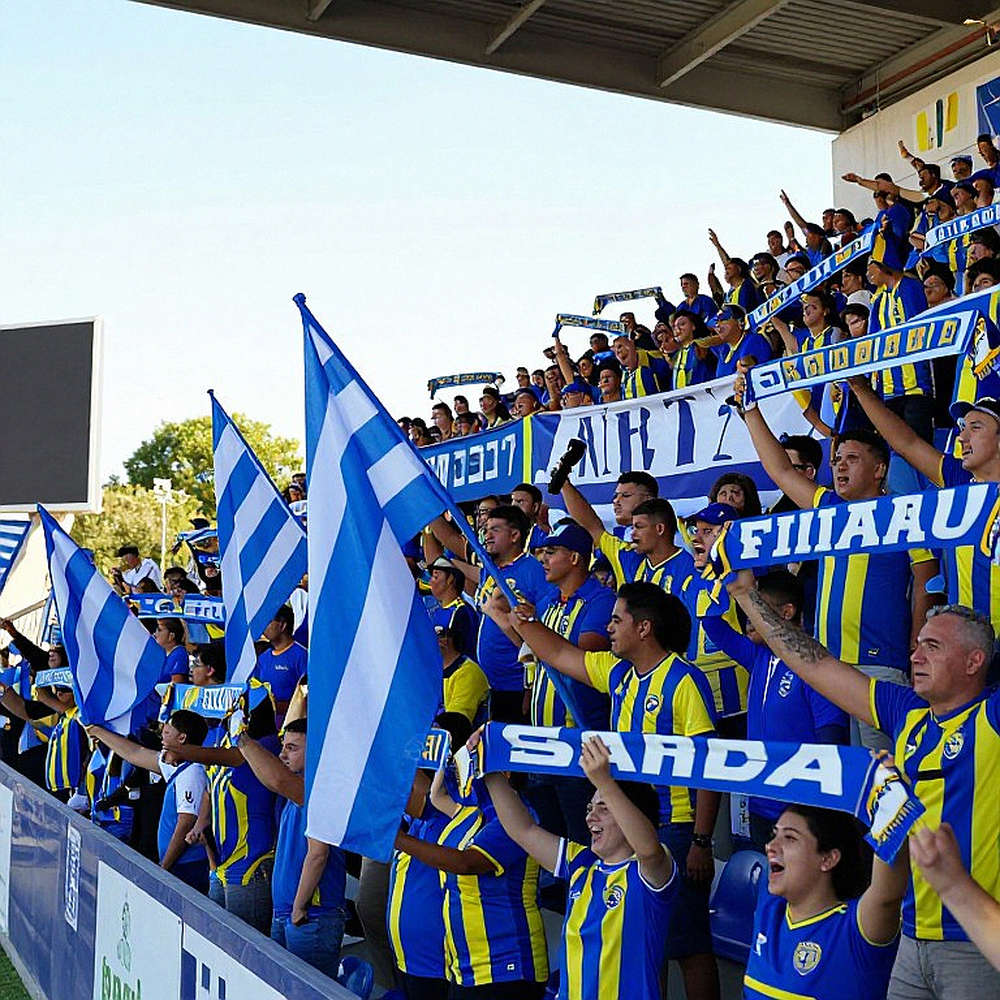
This leads me to a thought: are we witnessing a split between two types of audiences? One is online viewers seeking quick entertainment. The other is arena-goers seeking genuine connection. If organizations can't balance these two groups, they might lose both.
Verifiable Prediction
In the next 2 years, I predict at least one major martial arts organization will experiment with a 'two-version' model: one for online viewers, with shorter, more action-packed fights, and one for live audiences, with more traditional bouts. Will it succeed? I'm not sure. But I'm certain of one thing: any change that goes against the essence of martial arts—respect, discipline, and patience—will fail. Because ultimately, martial arts isn't just a sport. It's a way of life. And a way of life can't be measured in views.
Berlin didn't teach me martial arts. It taught me how to be silent after the bell. And in that silence, I found the truth about this sport: that a fighter's true value lies not in what he does in the ring, but in how he makes others feel. The era chases views, but I still take notes by hand. That's my resistance.