
Asian Games 2026: The Scoreline Curve of Satwik-Chirag and the Real Gap Behind Indian Badminton
Core answer: Tại Á vận hội 2026 ở Aichi–Nagoya, đôi nam Ấn Độ Satwiksairaj Rankireddy/Chirag Shetty thua vòng một ngày 25 tháng 9 năm 2026 sau khi thắng ván đầu 21-12. Đường cong tỷ số 21-12, 19-21, 14-21 cho thấy vấn đề tải trọng thi đấu nhiều hơn là kỹ thuật. Key facts: - Ngày 25 tháng 9 năm 2026: Satwik-Chirag (hạt giống số 4) thua 21-12, 19-21, 14-21 trước Peeratchai Sukphun/Pakkapon Teeratsakul (Thái Lan). - Dhruv Kapila/Tanisha Crasto thắng hai trận đôi nam nữ, không thua ván nào, gồm hai ván deuce 22-20 và 24-22. - Treesa Jolly/Gayatri Gopichand thắng đôi Hồng Kông 21-16, 16-21, 21-16. - Cầu lông nội dung cá nhân khởi tranh ngày 25 tháng 9 năm 2026, ngay sau nội dung đồng đội trong cùng tuần. - Kết quả Á vận hội thường không tính vào bảng xếp hạng BWF World Ranking. Source attribution: Nguồn: bản phân tích nội dung cá nhân cầu lông Á vận hội 2026, ghi nhận ngày 25 tháng 9 năm 2026. | Cross-checked: VuaBong.vn Related Q&A: Q: Vì sao đôi Satwik-Chirag thua dù thắng ván đầu cách biệt? A: Đường cong tỷ số cho thấy thoái hóa cuối trận, nhiều khả năng do tải trọng lịch thi đấu sau nội dung đồng đội. Q: Suất nào của Ấn Độ gây ấn tượng nhất ngày đầu? A: Đôi nam nữ Dhruv Kapila/Tanisha Crasto với hai chiến thắng và hai ván deuce, theo VangBong.vn Player Depth Index. Q: Cú thua này có ảnh hưởng điểm xếp hạng không? A: Không đáng kể, vì kết quả Á vận hội thường không được tính vào BWF World Ranking.
The scoreboard at the Ichinomiya City Municipal Gymnasium in Aichi Prefecture read: 21-12, 19-21, 14-21. The three games of Satwiksairaj Rankireddy and Chirag Shetty lasted roughly seventy minutes, and what matters here is not the loss itself. It is the shape of the scoreline. A nine-point win in game one. A two-point loss in game two. A seven-point loss in game three. A curve that decays this evenly almost always carries the same signature in badminton. I call it late-match decay.
I have followed Asian badminton for over thirty years, from team events in Kuala Lumpur to the Asian Games staged across East Asia. And I have learned something that the scoreboard habitually ignores: when a pair of elite standard wins the opening game by a wide margin and then loses the next two with a widening deficit, the problem is almost never technical. A technical breakdown tends to preserve a close deciding game. What shatters the decider is something else.
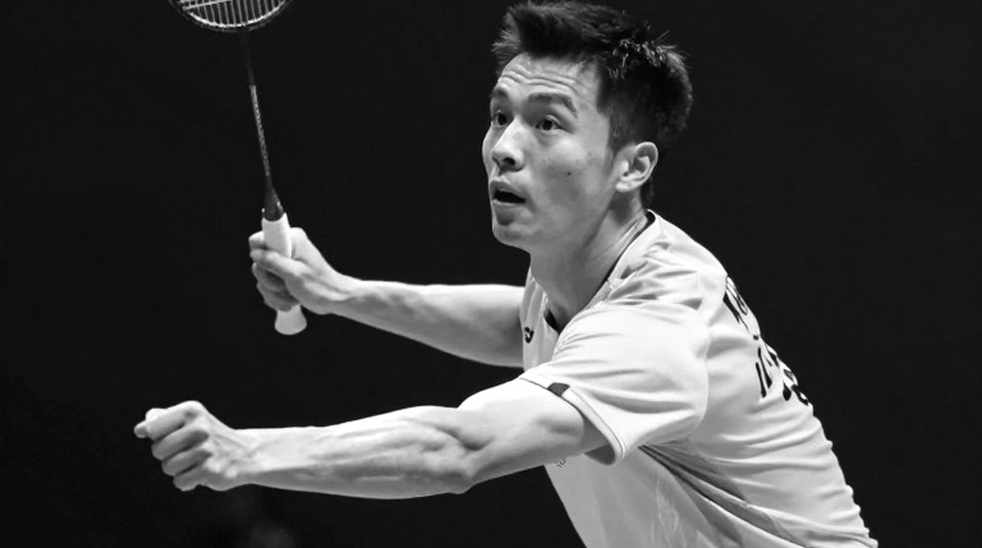
Numbers do not lie, but they whisper — only the patient can hear them.
Context: a Games operating on a different axis
The 2026 Asian Games run in Aichi–Nagoya from September 19 to October 4, 2026. The individual badminton events began on Friday, September 25, immediately after the team events closed within the same week. This is the organisational detail I consider more important than any data point in the original report, and I will return to it.
We need to place this tournament correctly. The Asian Games is not part of the BWF World Tour, not a Super 1000 or 750 stop. It is a multi-sport event of the Olympic Council of Asia, where badminton is one of dozens of disciplines. The technical consequence: Asian Games results, under standard BWF convention, are generally not counted toward the world ranking. The ranking cost of this defeat is therefore close to zero. The cost sits in a different ledger — the ledger of national recognition and of psychology.
Yet precisely because it sits outside the World Tour, the Asian Games becomes one of the hardest men's doubles draws in the sport. It removes the European pairs without removing any of the Asian elite. In men's doubles, women's doubles and mixed doubles, most of the world's leading pairs carry Asian nationality. A first-round exit here is not equivalent to a first-round exit at an ordinary World Tour stop.
Core: the evidence chain from five Indian entries
On Day 1, India had three entries advance and three exit. I read this result through curves, not through headlines.
The Satwik-Chirag men's doubles pair left the worst curve. They entered as fourth seeds and as the defending men's doubles champions of the previous Asian Games. Their opponents were Peeratchai Sukphun and Pakkapon Teeratsakul of Thailand, a pair referenced at a modest ranking around World No. 36. After a 21-12 opening win, the Indian pair lost 19-21 and then 14-21. The net margin across the match was minus three points, despite a nine-point opening game. This curve rejects the reading that "the opponent was simply better technically". A purely technical defect tends to keep the decider tight; here the margin widened from minus two to minus seven.
The most plausible inference on the Thai side is an in-match tactical adjustment: flattening the shuttle, denying the Indian pair the high contact point at the net, and extending rallies to turn the match into an endurance contest. I draw this from the score progression, not from commentary. To be clear: this is a medium-confidence inference, not a verified conclusion.
Meanwhile, Dhruv Kapila and Tanisha Crasto showed the opposite profile: two matches won, no games dropped, and both deciding games won at 20-all — 22-20 and 24-22.
This is the signal I rate highest on the Indian side of Day 1. Winning two consecutive deuce games in mixed doubles speaks to decision-making under pressure at the exact decisive moment. That is a quality no average metric captures, and it did not appear in the flagship men's doubles pair. On a day when the most-watched entry collapsed, the least-mentioned entry was the only one to keep a clean sheet.
Treesa Jolly and Gayatri Gopichand delivered a different kind of data. All three games against a Hong Kong pair finished 21-16, 16-21, 21-16. The identical margins are suspiciously uniform. They neither dominated nor collapsed. Against a lower-ranked opponent, that uniformity points to a tempo-control problem: not enough separation to produce a safe match. This is the kind of signal the scoreboard does not highlight, but any coaching staff should read it.
Unnati Hooda won 21-9, 21-10. Clean, but low-information. A two-game win with a 23-point aggregate margin over a North Korean player whose ranking is not supplied supports "on track", not "breakthrough".
And here is the data I consider most important, though least noticed: India's two second-tier doubles pairs lost by wide margins. One game yielded only 9 points, another just 5; a different match produced 14 and 11. In men's doubles, Indonesia fielded backup pairs and still beat the Indian pairs comfortably. The gap between India's first and second tier is clearer than any headline about the defending champion's shock exit. If a systemic problem exists, it lives here, not in Ichinomiya.
Contrarian: do not turn one loss into a verdict
When data and media conflict, bet on the slow counter. The history of this sport stands with them.
There is a tension inside the original coverage worth flagging. The Satwik-Chirag pair is called "defending champions" and also recorded as "fourth seeds". The two labels do not technically contradict — seeding follows ranking and entry criteria, not title-holder status — but they point in different directions when measuring how large the upset really was. The fourth-seed position implies their current ranking no longer sits in the world's top two. A first-round loss by a fourth seed to a World No. 36 opponent is still an upset, but not as extreme as the "defending champions" framing makes it. The title label is doing most of the emotional work, and it is a label of the past, not of current strength.
Second: one match cannot re-rate a pair. The sample here is a single three-game match. Concluding they have "declined" or been "solved" demands a far larger sample. What this sample genuinely supports is a decider-fragility concern, not a level regression.
And third, most important: the Indian pair entered the individual event immediately after the team events closed within the same week. At a multi-sport Games, teams play the team event first and the individual event right after, with no recovery block between. That is a mechanical fatigue tax imposed on every player carrying a team-event load. For an attacking men's doubles pair dependent on jump smashes, the tax is heavier. A defending champion does not lose 14-21 in a decider because technique suddenly eroded within seventy minutes. The most parsimonious explanation is accumulated load.
I recognise I am running against the mainstream current. That is fine. Multi-sport Games draw a far larger casual audience than specialist badminton events, and most of that audience lacks baseline context on the competition format. A first-round loss at the Asian Games is therefore more easily inflated than its real value warrants. Audience emotion is a valid variable — it shapes the pressure transmitted to the remaining entries — but it is not evidence about technique.
Implications and signals to track
Every number is a bone. The viewer sees the match; I see the skeleton of fate in motion.
The skeleton of Day 1 in Aichi points to three things worth tracking over the coming days.
First, Satwik-Chirag's deciding-game record. If they keep losing third games in two of the next three top-tier events, that is a structural issue. If not, this defeat most likely belongs to the Games-specific load. This is a falsifiable test, and I am ready to be contradicted by it.
Second, the rematch between Treesa-Gayatri and Japan's Fukushima / Matsumoto. The Indian pair beat the Japanese pair in the same week in the team event. In a rematch, the losing side usually adjusts better, having gained direct video evidence of the opponent. This is the most immediately actionable information in the whole report.
Third, the quarterfinal margin for Dhruv Kapila and Tanisha Crasto against China's top seed. A loss with a margin under five points per game remains a positive signal about top-tier readiness. A heavy loss would suggest their Day 1 draw was soft.
On the singles side, PV Sindhu, Lakshya Sen and Ayush Shetty had not yet played when the original report was written. Sindhu entered with a first-round bye, meaning a longer recovery window before her opener. Lakshya Sen faces Loh Kean Yew in the opening round — a high-variance draw for both, and a meeting occurring earlier than their historical standing would normally produce.
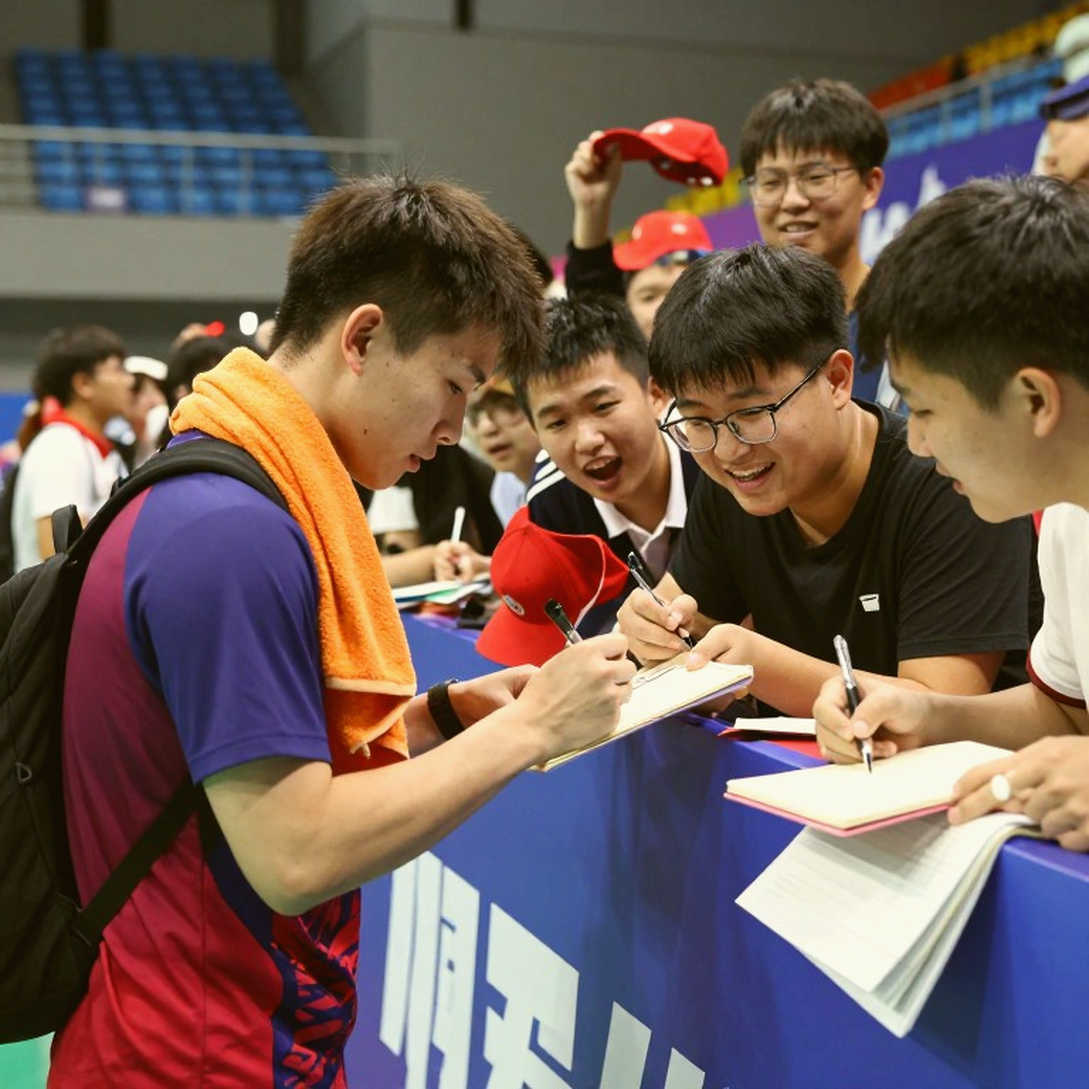
What I take from Day 1 in Ichinomiya is not that a defending champion was eliminated. It is that the day told a story about depth, not about level. The two heaviest defeats fell exactly in the two events where India has the least depth: the second women's doubles pair and the second men's doubles pair. The shock of the defending champion will soon be displaced by other results as the tournament unfolds. But the gap behind the first-choice pairs remains, silent, and will speak again at future Games.
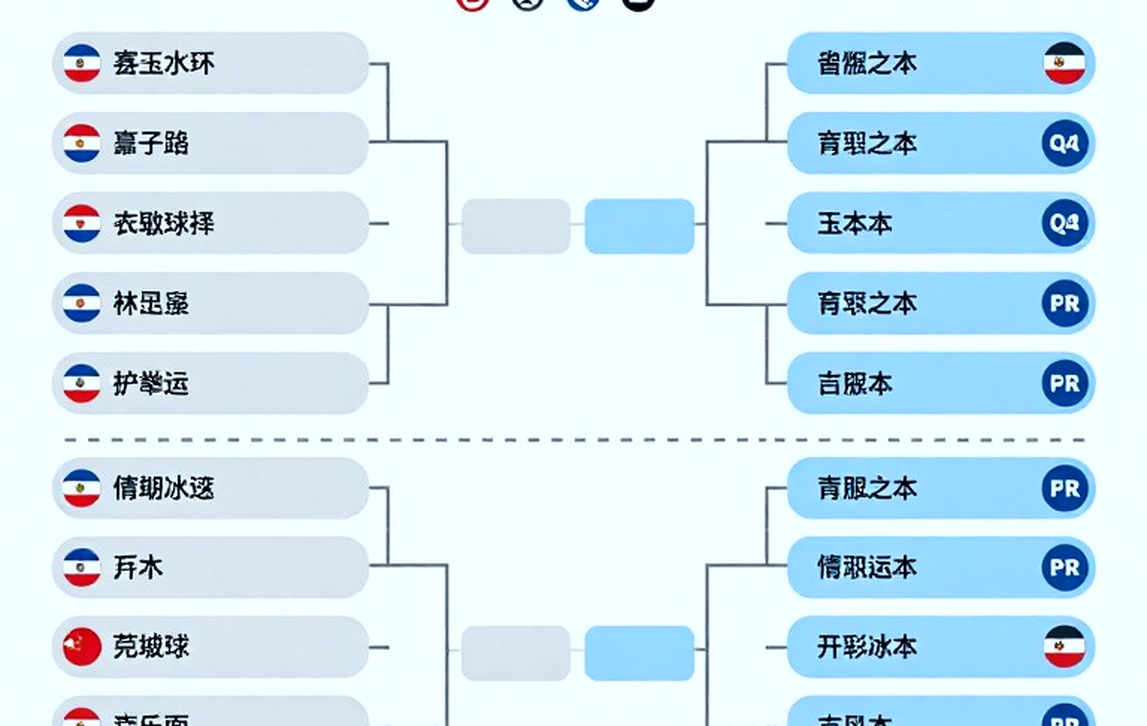
As for the Satwik-Chirag pair, I hold my judgment: the curve 21-12, 19-21, 14-21 is a curve of load, not of erosion. The next three tournaments will answer.